
When people think about fitness, strength and endurance usually take center stage. Yet mobility and flexibility are just as important for a healthy, active life. Without them, movements become stiff, posture suffers, and injuries are more likely. Kettlebell exercises, especially when paired with power-focused kettlebell workout tips, provide a practical and effective way to target these often-overlooked aspects of fitness.
Why Mobility and Flexibility Matter
Mobility is the ability to move joints freely through their full range of motion. Flexibility is the length and pliability of muscles. Together, they allow the body to perform daily tasks with ease. Simple activities like reaching for a shelf or bending down become easier when both are developed. In sports and workouts, mobility and flexibility also support efficiency and reduce strain.
The Unique Advantage of Kettlebells
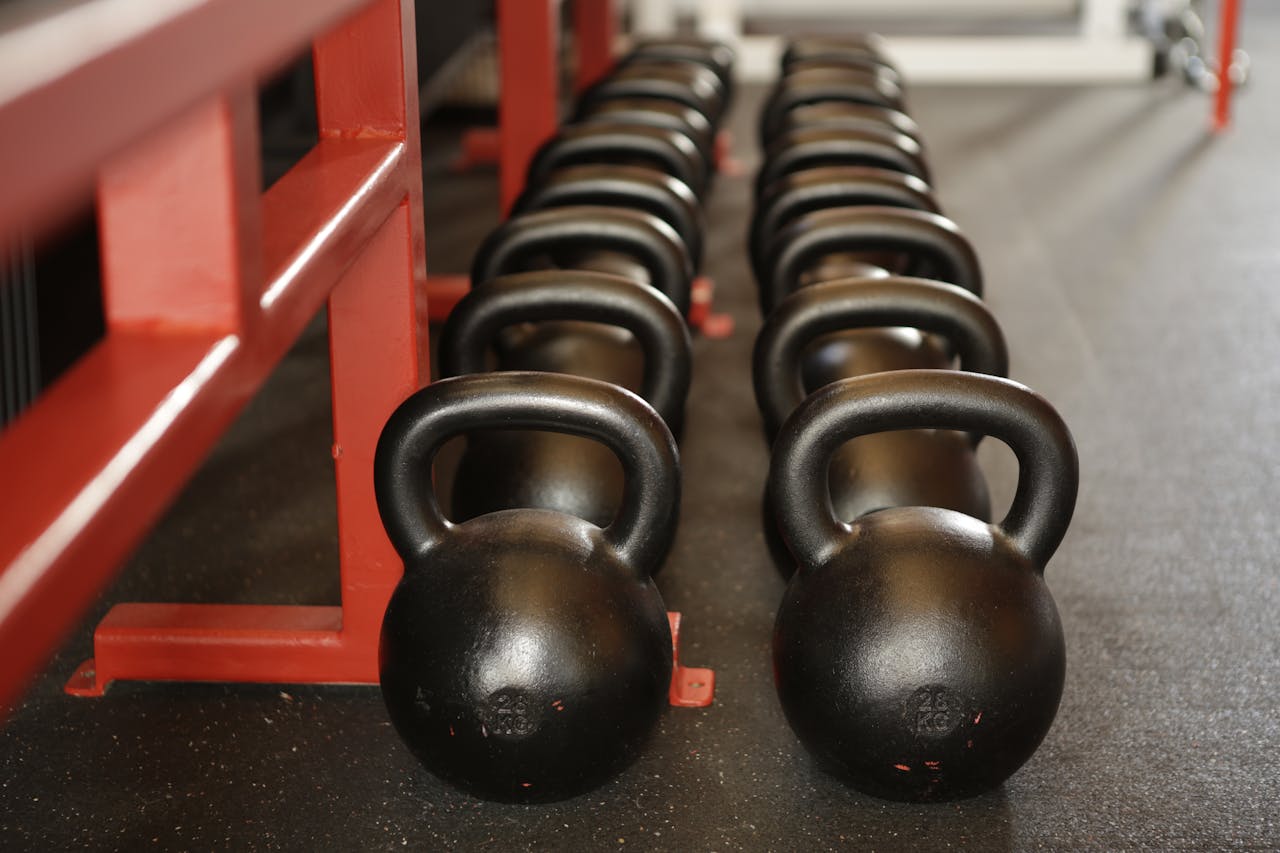
Unlike traditional weights, kettlebells have an off-center mass. This design challenges the body in ways dumbbells or barbells do not. The shifting weight forces muscles and joints to stabilize during every movement. This constant adjustment builds functional mobility while encouraging muscles to stretch and adapt. The result is a workout that improves strength while fostering flexibility at the same time.
Dynamic Movements for Better Flow
Kettlebell exercises often involve swinging, pressing, and rotating actions. These dynamic patterns replicate natural body mechanics, training the body to move smoothly and efficiently. Movements like the kettlebell swing or windmill enhance hip mobility and core stability. The Turkish get-up, for example, challenges multiple joints as it guides the body through positions that demand both balance and flexibility.
Resilience in Joints
Strong joints are vital for long-term health. However, many forms of training neglect them. Kettlebell work ensures the shoulders, hips, and spine remain engaged in a safe but demanding way. The rotational forces and controlled motions help joints adapt, reducing stiffness over time. This training not only prevents discomfort but also provides resilience that carries into everyday movements.
Flexibility Through Strength
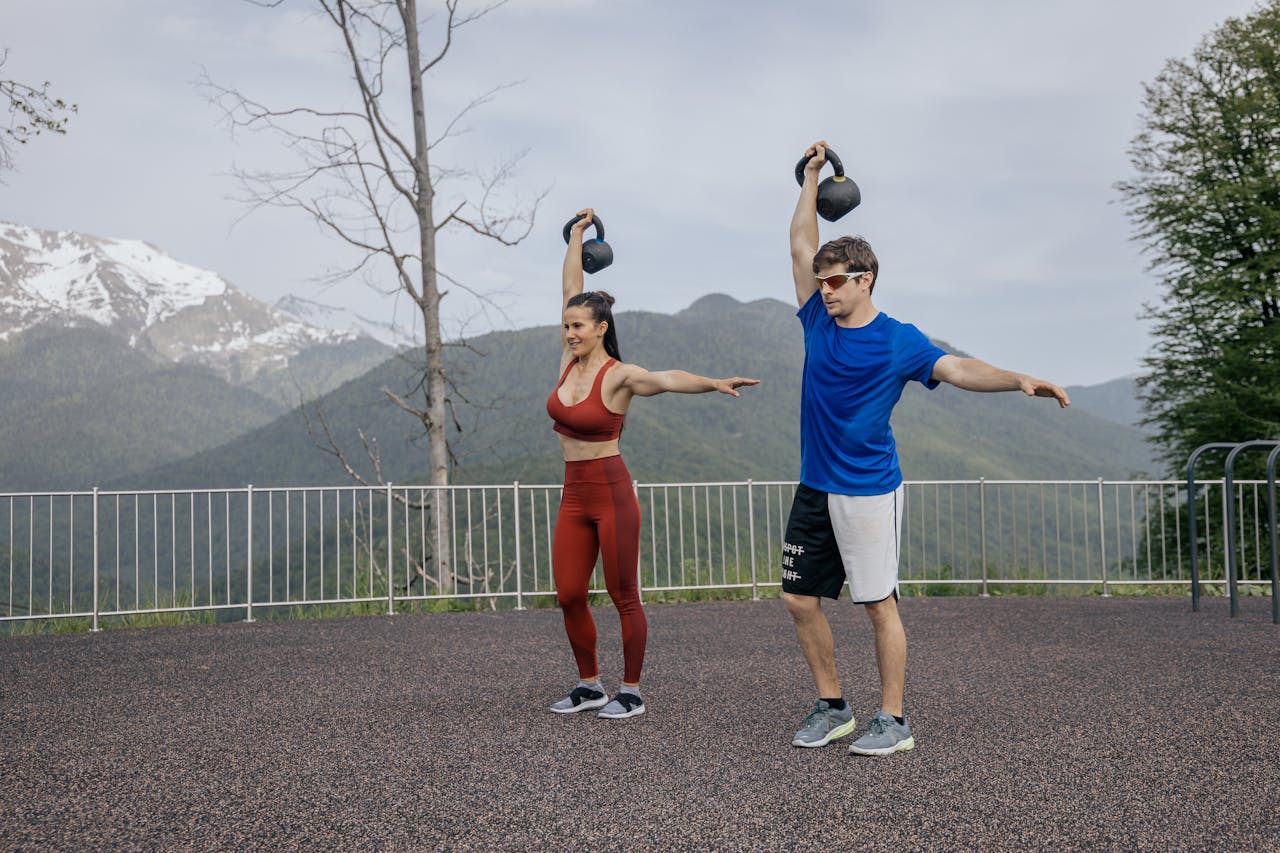
Flexibility does not come only from static stretching. Strength plays a crucial role in how well muscles lengthen and contract. Kettlebell exercises blend the two. As muscles strengthen under load, they also learn to extend and stabilize under pressure. This combination creates lasting flexibility that supports performance and posture. The blend of tension and release develops a body that moves with grace and control.
Tools for All Levels
Kettlebells are versatile. Beginners can start with light weights and simple movements, focusing on safe form. More advanced users can explore complex patterns that challenge every part of the body. What makes kettlebells stand out is their adaptability. They can be used in a gentle session to release tension or in demanding routines that push strength and mobility to the utmost limits. Either way, they remain effective tools for improving the way the body moves.
Improving mobility and flexibility is not just about adding stretches at the end of a workout. It’s about choosing training methods that integrate them into every movement. Kettlebell exercises achieve this by combining strength, control, and dynamic range. The unique design of the kettlebell ensures each workout supports joints, muscles, and coordination. Over time, this creates a body that feels less restricted, more fluid, and better prepared for both everyday life and athletic pursuits.